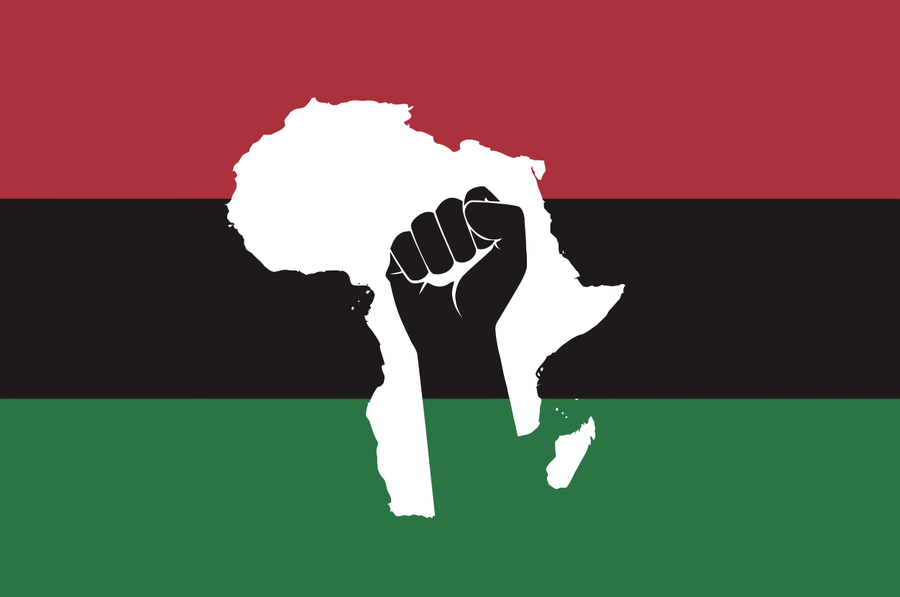
Pan-Africanism is a movement that seeks to promote unity, solidarity, and cooperation among people of African descent. One of the key roles of Pan-Africanism is to shape African identity and
Pan-Africanism is a movement that seeks to promote unity, solidarity, and cooperation among people of African descent. One of the key roles of Pan-Africanism is to shape African identity and
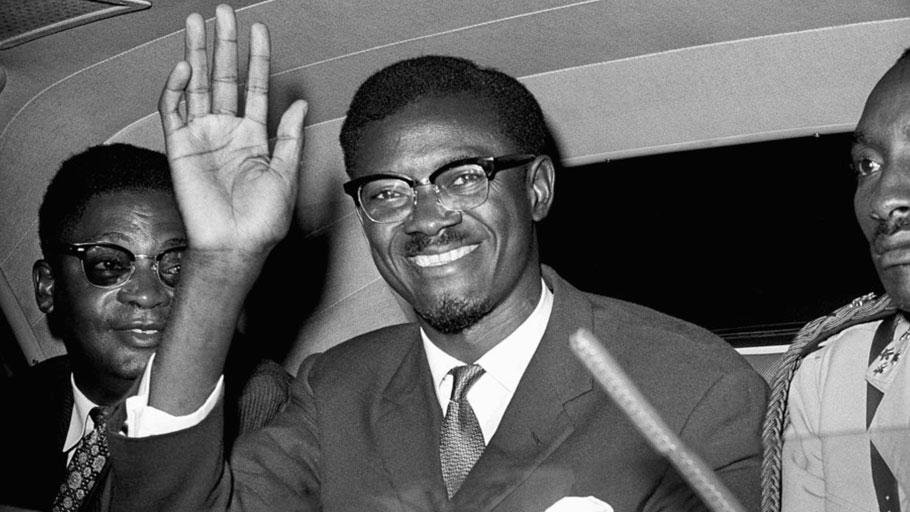
Patrice Lumumba was a Congolese politician and independence leader who played a significant role in the fight against colonialism and imperialism in Africa. He is remembered as a martyr for
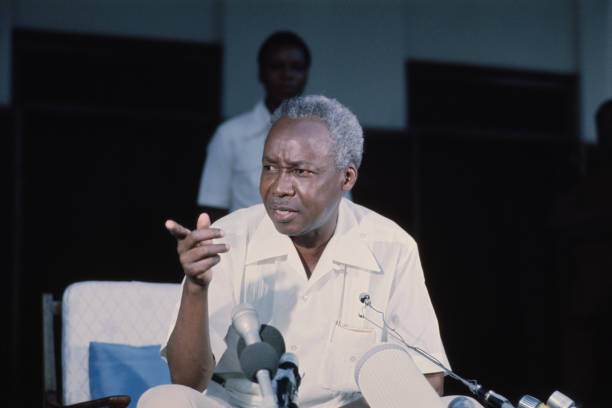
Julius Nyerere was a Tanzanian politician and statesman who served as the country’s first president from 1964 to 1985. He was a key figure in the Pan-African movement and played
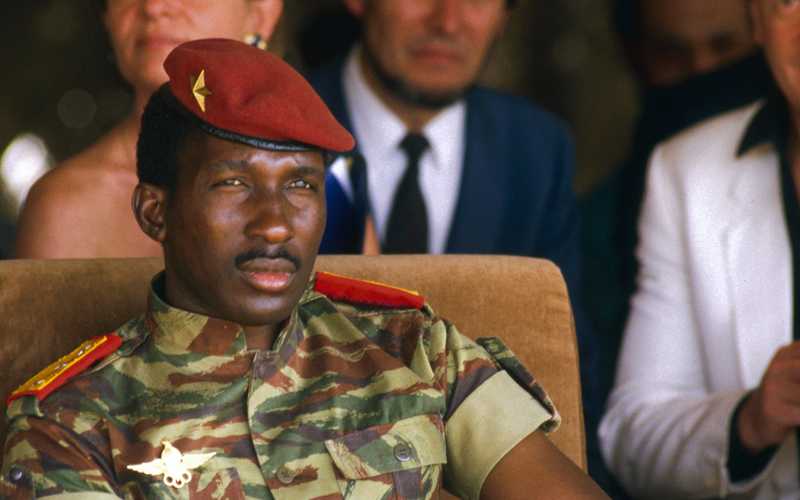
Thomas Sankara was a Burkinabé military officer, politician, and revolutionary who served as the President of Burkina Faso from 1983 until his assassination in 1987. He is remembered as a
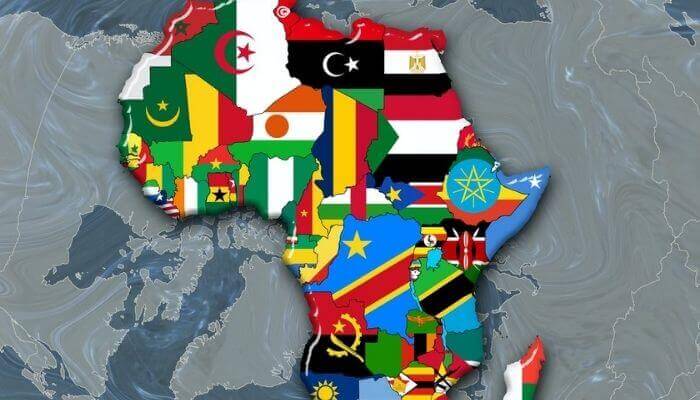
Pan-Africanism, a movement that seeks to promote unity, solidarity, and cooperation among people of African descent, continues to play a significant role in the modern era. Despite its relevance, Pan-Africanism
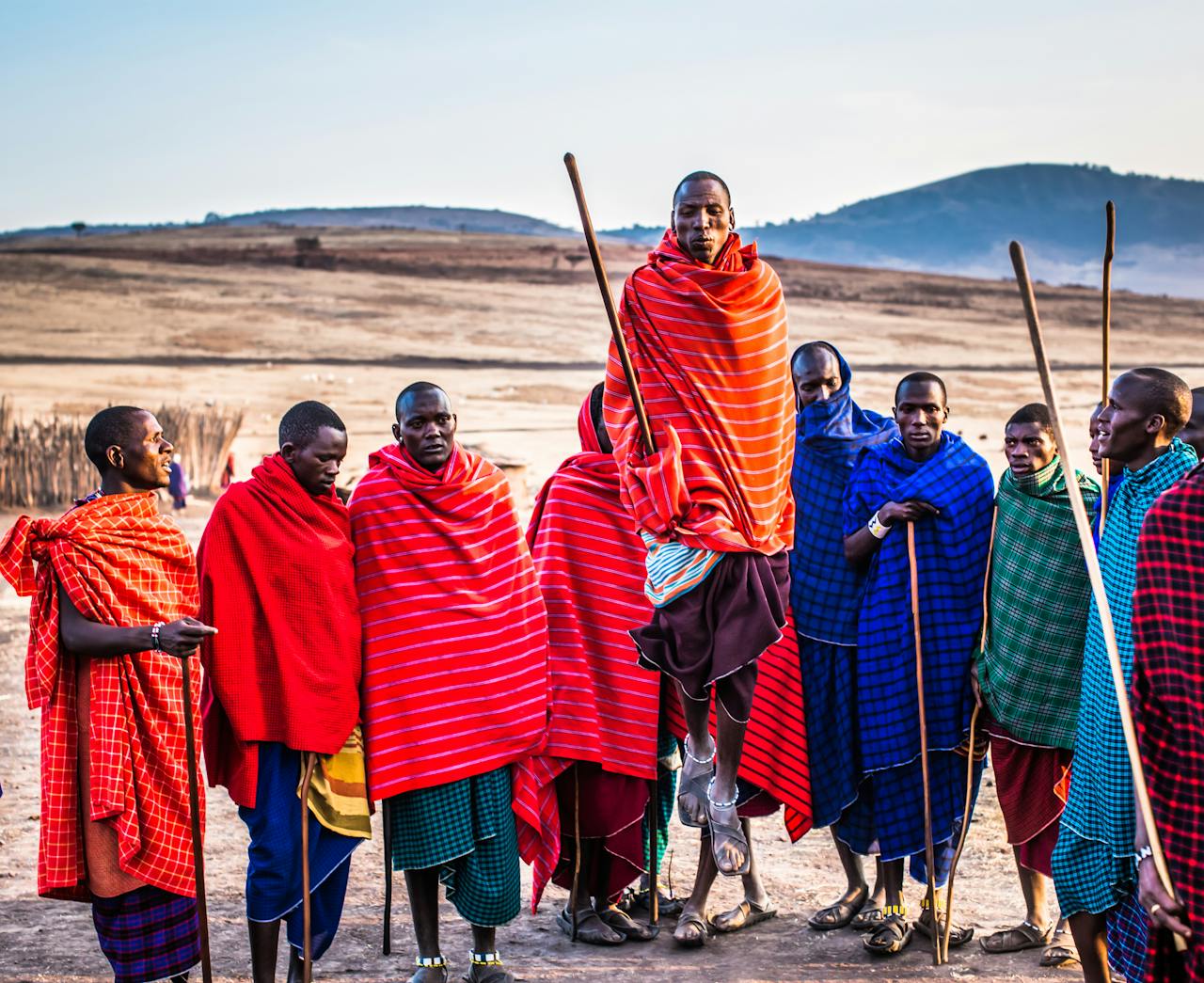
Pan-Africanism is a powerful movement that celebrates African identity, culture, and heritage, promoting African pride and self-determination. By recognizing the shared experiences, history, and culture of Africans, Pan-Africanism provides a

Pan-Africanism is a movement that seeks to promote unity, solidarity, and cooperation among people of African descent, both within the continent and across the diaspora. The ideology emphasizes the shared