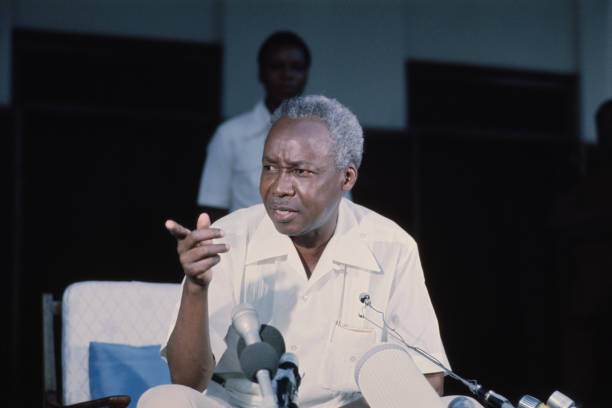
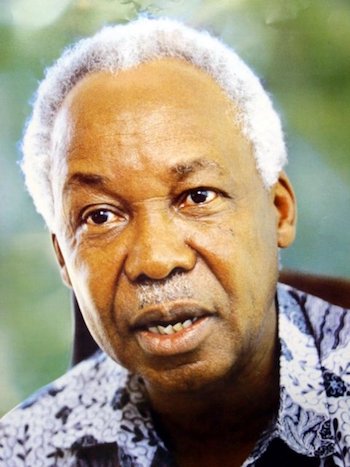
 Julius Nyerere was a Tanzanian politician and statesman who served as the country’s first president from 1964 to 1985. He was a key figure in the Pan-African movement and played a significant role in promoting African unity and cooperation.
Early Life and Education
Julius Nyerere was born on April 13, 1922, in Butiama, Tanganyika (now Tanzania). He was educated at the University of Makerere in Uganda and later at the University of Edinburgh in Scotland, where he earned a degree in history and political economy.
Leadership and Legacy
Nyerere’s leadership and legacy are characterized by his commitment to African unity, cooperation, and socialism. The following are some of his key achievements:
1. Ujamaa: Nyerere’s concept of Ujamaa, or African socialism, emphasized the importance of collective ownership and cooperation in economic development.
2. African Unity: Nyerere was a strong advocate for African unity and cooperation, and he played a key role in the formation of the Organization of African Unity (OAU).
3. Decolonization: Nyerere supported the decolonization of Africa and advocated for the rights of African nations to self-determination and independence.
4. Education and Development: Nyerere emphasized the importance of education and development in promoting African progress and self-reliance.
Key Concepts
– Ujamaa: A concept of African socialism that emphasizes collective ownership and cooperation in economic development.
– African Socialism: An ideology that seeks to promote economic development and social justice through collective ownership and cooperation.
– Pan-Africanism: A movement that seeks to promote unity, solidarity, and cooperation among people of African descent.
Legacy
Nyerere’s legacy is one of commitment to African unity, cooperation, and development. He is remembered as a champion of African rights and a pioneer of Pan-Africanism. Despite the challenges and criticisms he faced, Nyerere’s ideas and ideals continue to inspire Africans and people of African descent around the world.
Further Reading
For those interested in learning more about Julius Nyerere and Pan-Africanism, recommended readings include:
– “Ujamaa: Essays on Socialism” by Julius Nyerere
– “Freedom and Unity” by Julius Nyerere
– “Pan-Africanism: A Brief History”
By exploring the leadership and legacy of Julius Nyerere, we can gain a deeper understanding of the significance of Pan-Africanism and its role in shaping African history and identity.