
 Pan-Africanism and Global Politics: Navigating the Complexities of International Relations.
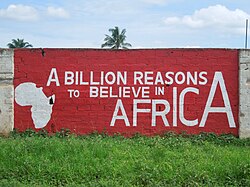
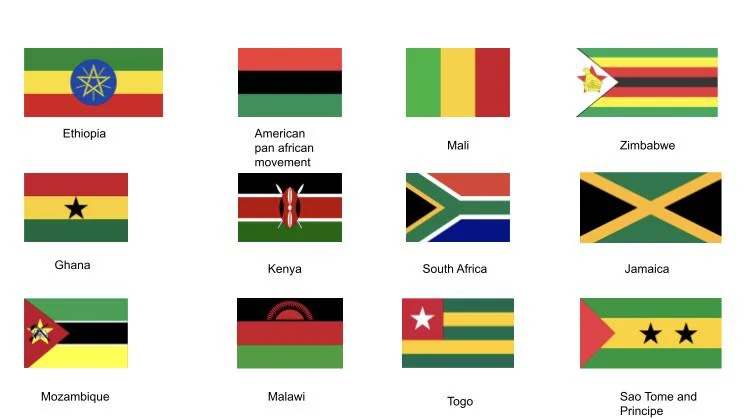
Pan-Africanism is a movement that seeks to promote unity, solidarity, and cooperation among people of African descent. In the context of global politics, Pan-Africanism plays a significant role in shaping international relations, diplomacy, and global governance.
Role of Pan-Africanism in Global Politics
1. Promoting African Interests: Pan-Africanism promotes African interests and values in global politics, advocating for African rights and self-determination.
2. Fostering Global Cooperation: Pan-Africanism fosters global cooperation and diplomacy, promoting peaceful resolution of conflicts and cooperation on global issues.
3. Challenging Global Inequality: Pan-Africanism challenges global inequality and promotes a more just and equitable international order.
4. Empowering African Voices: Pan-Africanism empowers African voices and perspectives in global politics, promoting a more diverse and inclusive international community.
Implications for International Relations
1. Increased African Influence: Pan-Africanism can increase African influence in international relations, promoting African interests and values.
2. Global Cooperation: Pan-Africanism can foster global cooperation on issues such as climate change, poverty, and inequality.
3. Conflict Resolution: Pan-Africanism can promote peaceful resolution of conflicts and cooperation on global issues.
4. Challenging Neocolonialism: Pan-Africanism can challenge neocolonialism and promote African self-determination and independence.
Diplomacy and Global Governance
1. African Union: The African Union is a key institution in promoting Pan-Africanism and African unity in global politics.
2. International Organizations: Pan-Africanism can promote African participation in international organizations, such as the United Nations.
3. Global Governance: Pan-Africanism can promote a more inclusive and equitable global governance system, reflecting African values and interests.
4. Diplomatic Relations: Pan-Africanism can promote diplomatic relations between African nations and other countries, fostering cooperation and understanding.
Challenges and Opportunities
1. Global Power Dynamics: Pan-Africanism must navigate complex global power dynamics, promoting African interests and values in a rapidly changing world.
2. Internal Divisions: Pan-Africanism must address internal divisions and promote unity and solidarity among African nations and people of African descent.
3. Global Economic Inequality: Pan-Africanism must address global economic inequality and promote a more just and equitable international economic order.
4. Climate Change: Pan-Africanism must address the challenges of climate change and promote sustainable development and environmental protection.
Conclusion
Pan-Africanism plays a significant role in global politics, promoting African interests, fostering global cooperation, and challenging global inequality. By navigating the complexities of international relations, Pan-Africanism can promote a more just and equitable world order.
Key Concepts
– Pan-Africanism: A movement that seeks to promote unity, solidarity, and cooperation among people of African descent.
– Global Politics: The study of international relations and global governance.
– International Relations: The study of interactions between nations and other actors in the global system.
Further Reading
For those interested in learning more about Pan-Africanism and global politics, recommended readings include:
– “Pan-Africanism: A Brief History”
– “The African Union and Global Politics”
– “Pan-Africanism and International Relations”
By exploring the role of Pan-Africanism in global politics, we can gain a deeper understanding of the complexities of international relations and the importance of promoting African interests and values in the global community.