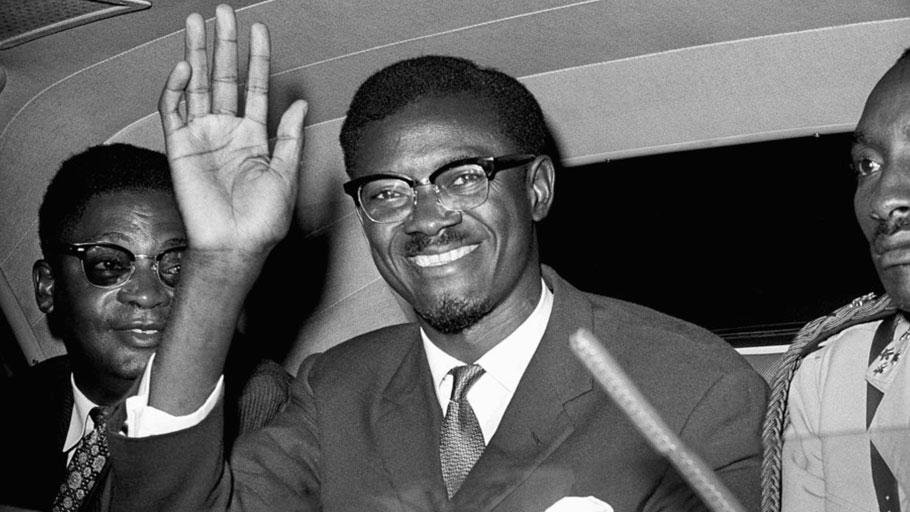
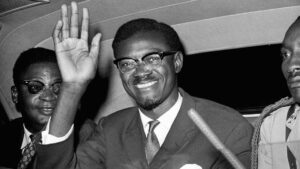
Patrice Lumumba was a Congolese politician and independence leader who played a significant role in the fight against colonialism and imperialism in Africa. He is remembered as a martyr for Pan-Africanism and African independence, and his legacy continues to inspire Africans and people of African descent around the world.
Early Life and Education
Patrice Lumumba was born on July 2, 1925, in Onalua, Belgian Congo (now the Democratic Republic of Congo). He was educated at a Catholic mission school and later worked as a postal clerk and a beer salesman.
Political Career
Lumumba’s political career began in the 1950s, when he became involved in the independence movement in the Congo. He was a key figure in the Mouvement National Congolais (MNC), a nationalist party that advocated for independence and unity. In 1960, Lumumba became the first prime minister of the independent Congo.
Fight for Independence and Pan-Africanism
Lumumba’s fight for independence and Pan-Africanism was marked by his passionate advocacy for African unity and self-determination. He believed that African nations should unite to achieve economic, political, and social development, and he worked tirelessly to promote this vision.
Assassination and Legacy
Lumumba’s assassination on January 17, 1961, was a tragic event that shocked the world and galvanized support for the Pan-African movement. His legacy is one of courage, conviction, and commitment to African independence and unity.
Enduring Impact
Lumumba’s impact on African politics and identity is still felt today. He is remembered as a hero and a symbol of African resistance to colonialism and imperialism. His ideas and ideals continue to inspire Africans and people of African descent around the world.
Key Concepts
– Pan-Africanism: A movement that seeks to promote unity, solidarity, and cooperation among people of African descent.
– African Independence: The idea that African nations should be free from colonial and imperialist domination.
– Nationalism: A movement that emphasizes the importance of national identity and self-determination.
Further Reading
For those interested in learning more about Patrice Lumumba and Pan-Africanism, recommended readings include:
– “The Congo Cables: The Cold War and the Lumumba Murder” by Stephen R. Weissman
– “Patrice Lumumba: The Most Important African of the 20th Century” by Georges Nzongola-Ntalaja
– “Pan-Africanism: A Brief History”
By exploring the life and legacy of Patrice Lumumba, we can gain a deeper understanding of the significance of Pan-Africanism and its role in shaping African history and identity.