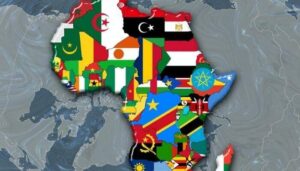


Pan-Africanism is a movement that seeks to promote unity, solidarity, and cooperation among people of African descent, both within the continent and across the diaspora. The ideology emphasizes the shared experiences, history, and culture of Africans, and aims to foster a sense of collective identity and purpose.
History of Pan-Africanism
The roots of Pan-Africanism can be traced back to the late 19th and early 20th centuries, when African intellectuals and leaders began to recognize the need for collective action to address the challenges facing the continent. The movement gained momentum in the mid-20th century, particularly during the struggle for independence from colonial rule.
Key Principles of Pan-Africanism
1. African Unity: Pan-Africanism emphasizes the importance of unity and solidarity among African nations and peoples, recognizing that collective strength and cooperation are essential for achieving development and progress.
2. African Identity: The movement celebrates African culture, history, and identity, and seeks to promote a sense of pride and self-awareness among people of African descent.
3. Self-Determination: Pan-Africanism advocates for the right of African peoples to determine their own destiny, free from external interference and domination.
4. Cooperation and Collaboration: The movement promotes cooperation and collaboration among African nations and peoples, recognizing that collective action is necessary to address common challenges and achieve shared goals.
5. Social Justice and Equality: Pan-Africanism emphasizes the importance of social justice and equality, recognizing that the legacy of colonialism and slavery continues to impact African communities today.
Significance of Pan-Africanism
1. Promoting African Unity: Pan-Africanism provides a framework for African nations and peoples to work together, share experiences, and address common challenges.
2. Celebrating African Culture: The movement promotes a sense of pride and appreciation for African culture, history, and identity, helping to counteract the negative impacts of colonialism and racism.
3. Empowering African Communities: Pan-Africanism seeks to empower African communities, particularly in the diaspora, by promoting self-awareness, self-determination, and collective action.
4. Addressing Global Challenges: The movement provides a platform for African nations and peoples to address global challenges, such as poverty, inequality, and climate change, from a position of collective strength and solidarity.
Conclusion
Pan-Africanism is a powerful movement that seeks to promote unity, solidarity, and cooperation among people of African descent. By understanding the history and principles of Pan-Africanism, we can appreciate the significance of this movement in promoting African unity and solidarity, and work towards a brighter future for the continent and its people.
Key Figures in Pan-Africanism
– Kwame Nkrumah: A Ghanaian leader who played a key role in the Pan-African movement and advocated for African unity and independence.
– W.E.B. Du Bois: An American sociologist and civil rights activist who was a key figure in the Pan-African Congress movement.
– Marcus Garvey: A Jamaican-American leader who promoted Pan-Africanism and black nationalism, emphasizing the importance of African identity and self-determination.
Further Reading
For those interested in learning more about Pan-Africanism, recommended readings include:
– “The Souls of Black Folk” by W.E.B. Du Bois
– “The Philosophy and Opinions of Marcus Garvey”
– “Africa Must Unite” by Kwame Nkrumah
By exploring the history, principles, and significance of Pan-Africanism, we can gain a deeper understanding of this important movement and its role in shaping the future of Africa and its people.